
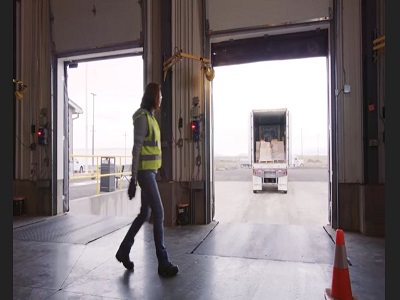
As a manager or supervisor of employees in safety-sensitive roles, you'll learn how to identify circumstances and indicators that may create reasonable suspicion that an employee is using or under the influence of alcohol or drugs, when to do reasonable suspicion testing, and why it is important for public safety.
Recognize the significance of having a safety-sensitive role in the workplace
Follow DOT regulations
Identify what six tests safety-sensitive workers are subject to and when that testing occurs
Explain the reasonable suspicion testing process
Identify general signs or symptoms that may indicate substance abuse
Identify prohibited alcohol-related conduct and uses
Identify the five prohibited drugs the DOT program tests
Identify the roles and responsibilities of those involved in the alcohol and drug testing process